Quick Summary: How to Choose Sustainable Brand Merchandise
To choose authentic sustainable promotional products, Australian organisations should follow a structured framework: evaluate the entire environmental impacts to ensure reduced waste, prioritise high quality reusable items over single use plastics, and verify suppliers using transparent, independent certifications.
Key Takeaways at a Glance
Ditch Single-Use Plastics: Swap traditional corporate giveaways for items engineered from circular materials like post-consumer rPET, recycled cotton, and rapidly renewable bamboo to lower your campaign’s immediate waste print.
Prioritise High-Utility Items: Maximise your marketing exposure by choosing retail-quality gear—like bags, beanies, and stainless steel drinkware—that clients will actually reuse long-term, driving down cost-per-impression.
Look for Verified Supply Chains: Build genuine brand trust and protect your company from greenwashing by checking for independent, third-party eco-certifications (such as GRS, FSC, or GOTS) on your merchandise.
Optimise Your Branding Space: Select functional everyday essentials that offer a generous decoration area, ensuring your corporate logo stays highly visible during daily commutes and office hours.
In the contemporary commercial landscape, corporate gifting and marketing strategies are undergoing a significant paradigm shift. Modern consumers and businesses alike are no longer just looking at the utility or novelty of a corporate giveaway; they are evaluating the ethical and ecological footprint of the items they receive. For organisations committed to sustainability, every marketing touchpoint—including branded products—must reflect a genuine dedication to environmental stewardship.
Selecting the right merchandise requires a strategic approach that balances marketing efficacy with ecological responsibility. Here is a comprehensive guide on how to choose sustainable promotional products that resonate with your audience and accurately mirror your corporate values.
1. Evaluate the Lifecycle and Environmental Impacts
To ensure your corporate merchandising aligns with your environmental goals, you must look beyond the immediate appeal of an item and consider its entire lifecycle. Truly sustainable promotional products are designed with their eventual disposal or reuse in mind, aiming for reduced waste at every stage.
When assessing potential merchandise, consider the following parameters:
The Sourcing of Raw Materials: Are the items manufactured from recycled materials, renewable resources, or certified organic texturing?
The Production Process: Does the manufacturing method minimise carbon emissions, water usage, and chemical pollutants?
End-of-Life Viability: Can the product be easily recycled, composted, or repurposed by the recipient, or is it destined for a landfill?
By analysing these environmental impacts prior to purchasing, your organisation ensures that its promotional strategy avoids common pitfalls such as greenwashing, thereby establishing authentic credibility with an environmentally conscious audience.
2. Prioritise High-Quality, Functional Items for Long-Term Use
The most sustainable product is one that gets used repeatedly over a long term period. Mass-producing cheap, low-utility items that are quickly discarded defeats the purpose of choosing an eco-friendly option. Instead, focus on sourcing high quality items that offer genuine utility to the recipient.
Heavy-duty bags made from certified organic cotton
When a recipient retains and utilises a premium item for months or even years, it continuously promotes your brand while significantly decreasing the demand for disposable alternatives.
💡 Eco-Trivia: The Science Behind Your Swag
Did you know your drink bottle can actively fight climate change? Conventional plastic bottles are derived from crude oil, which depletes finite fossil resources and releases substantial greenhouse gases. Conversely, high-quality alternatives like the Organic 650ml Eco Bottle utilise bio-polyethylene derived from sugar cane.
A comprehensive comparative life cycle assessment study confirmed that manufacturing polyethylene from a renewable resource like sugarcane drastically reduces fossil fuel reliance and results in a significantly lower net carbon footprint compared to traditional petroleum-based plastics.
The “Sustainability Multiplier” of your shopping tote. It is a well-documented scientific fact that manufacturing heavy-duty textile bags requires more initial energy and water than producing a single, thin plastic bag. However, research published by environmental agencies, including a notable study by the Danish Ministry of Environment, emphasises that longevity is the ultimate metric for success.
Because a Premium Calico Eco Tote Bag is engineered from durable 140gsm cotton, it can be reused hundreds of times over a long term period. This persistent reuse fully neutralises its upfront environmental costs and prevents hundreds of single use plastics from entering landfills and ocean ecosystems.
3. Ban Single-Use Plastics Entirely
If your company claims to be committed to sustainability, distributing items containing single use plastics creates a severe contradiction in your brand messaging. Items like cheap plastic keyrings, disposable ponchos, or poorly constructed tech gadgets often fail quickly and contribute directly to global plastic pollution.
Instead, seek out items manufactured from recycled plastic (such as rPET made from recycled ocean waste) or completely biodegradable alternatives. Eliminating virgin plastics from your procurement chain is one of the most direct ways to ensure your promotional campaign leaves a positive impact on the planet while aligning with modern Australian packaging reduction targets.
4. Embrace Innovative, Circular Materials
The corporate gifting market has evolved dramatically, offering highly sophisticated, eco friendly promotional products that leverage circular economy principles. When selecting merchandise, consider these innovative material categories:
Circular and Plant-Based Materials
Seed Paper: An exceptional option for event invitations, flyers, or business cards. After use, the recipient can plant the seed paper in soil, where it biodegrades and grows into wildflowers or herbs.
Bamboo and Cork: Highly renewable materials that regenerate rapidly without requiring harmful pesticides. Bamboo pens, notebooks, and desk organisers offer a modern, sophisticated aesthetic while remaining entirely biodegradable.
Recycled Fabrics: For corporate apparel or bags, opt for textiles blended from post-consumer waste or recycled materials to minimise the reliance on virgin resources.
VMA Promo’s Recycled Product Picks
To help your organisation transition from theoretical sustainability to practical application, we have curated a selection of premium, environmentally conscious merchandise directly from our verified inventory. These branded products are engineered to deliver a positive impact while ensuring maximum marketing exposure.
Premium Eco-Apparel & Travel Gear
Investing in high-utility lifestyle gear ensures your brand remains visible over a long term period while actively participating in a circular economy:
RPET Compact Umbrella: A highly functional corporate accessory manufactured from recycled post-consumer plastics, transforming rainy commutes into an excellent opportunity to showcase your company’s green initiative.
RPET Lanyard: An essential staple for conferences and corporate events that substitutes traditional virgin nylon with durable, eco-conscious fibers to achieve a significant reduced waste footprint.
Sustainable Office Essentials & Stationery
Upgrade your daily corporate operations or event giveaways with functional desk accessories that elegantly reject single use plastics:
Phoenix Recycled Hard Cover Notebook: Perfect for corporate onboarding or brand workshops, these notebooks utilise beautifully repurposed covers that pair exceptionally well with your choice of eco-conscious writing instruments.
Recycled Stainless Steel Pen: A sleek, minimalist, and highly durable writing tool that offers a striking aesthetic contrast to traditional disposable plastic office supplies.
Panama Pen – Corporate: A highly cost-effective, premium option for high-volume event distributions, built from certified recycled plastic to redirect post-consumer waste away from landfills.
High-Grade Reusable Drinkware & Essentials
Durable drinkware offers one of the highest impressions-per-object rates in the promotional industry, maximising your ecological return on investment:
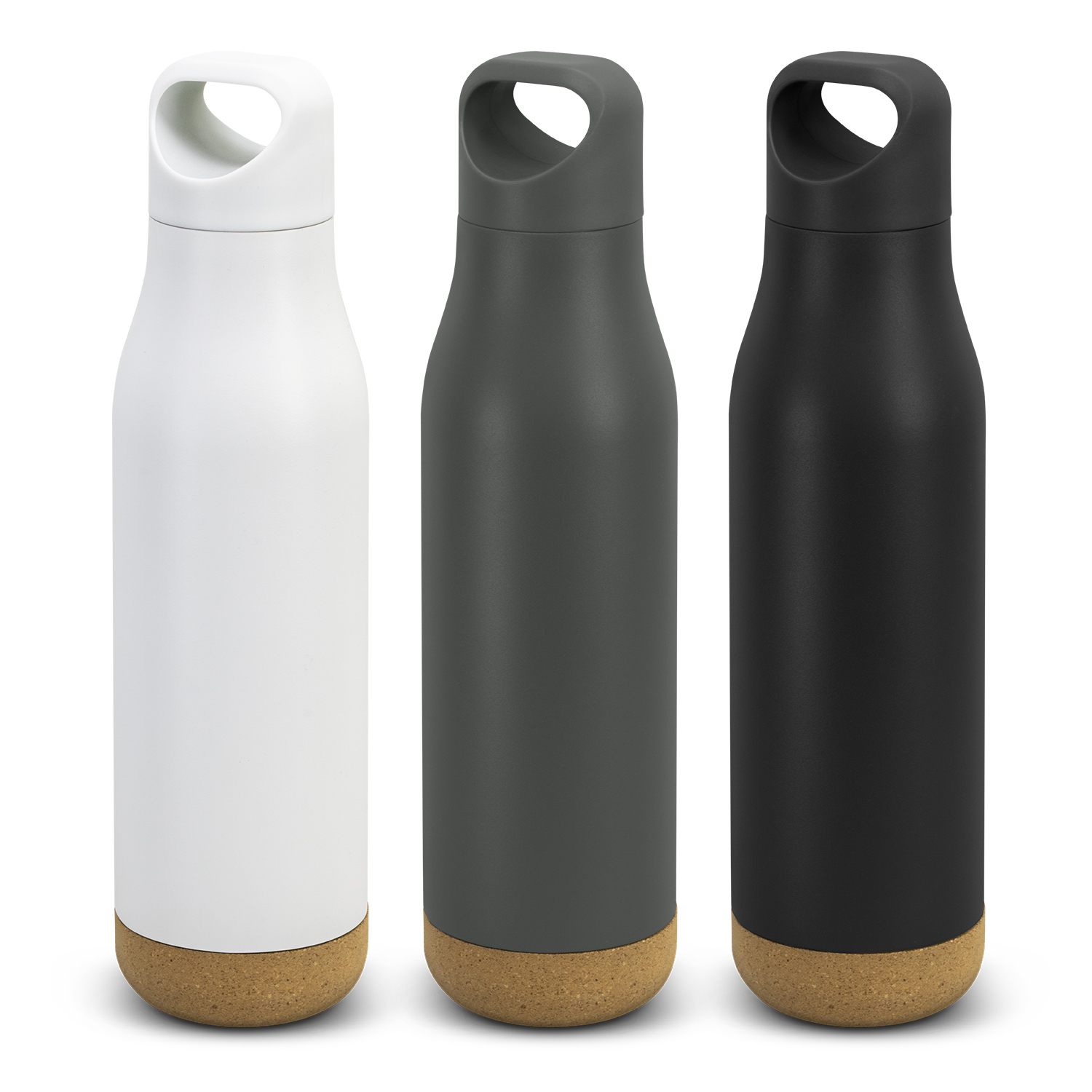
RPET Bottle: Engineered from recycled polyethylene terephthalate, this lightweight and endlessly useful container provides a sleek canvas for your corporate logo while lowering overall environmental impacts.
Authenticity is paramount when executing a sustainable marketing campaign. To guarantee you are receiving authentic sustainable products, always request verification regarding the manufacturer’s supply chain practices.
Look for globally recognised, independent certifications that validate environmental claims:
Global Organic Textile Standard (GOTS): Ensures the ethical and organic processing of textiles like organic cotton.
Forest Stewardship Council (FSC): Guarantees that wood and paper products are sourced from responsibly managed forests.
OEKO-TEX Standard 100: Certifies that textiles are completely free from harmful levels of toxic chemicals.
Partnering with suppliers who are transparent about their manufacturing processes allows you to confidently invest in products ensuring fair labour conditions and minimal environmental degradation.
Frequently Asked Questions
What makes a promotional product truly sustainable?
A promotional product is considered sustainable if it is crafted from renewable, organic, or recycled materials, minimises resource consumption during its manufacturing lifecycle, and is highly durable to encourage reuse and deliver reduced waste.
How can an Australian brand avoid greenwashing in corporate gifting?
Brands can avoid greenwashing by completely eliminating single use plastics from their campaigns and auditing their merchandise suppliers for verified, independent environmental certifications such as GOTS or FSC.
Why should businesses switch to sustainable products for marketing?
Switching to environmentally conscious merchandise directly promotes your brand as an ethical industry leader, reduces landfill contributions, and ensures your marketing campaign creates a long term, positive impact on the environment.
Conclusion: Aligning Purpose with Promotion
Understanding how to choose sustainable promotional products involves viewing merchandise not merely as a temporary advertising vehicle, but as an extension of your corporate philosophy. By transitioning away from disposable novelties and embracing premium, responsibly sourced materials, your organisation effectively reduces waste while delivering a powerful message.
Ultimately, investing in thoughtful, environmentally conscious corporate gifting strengthens customer loyalty, enhances brand reputation, and demonstrates a tangible commitment to safeguarding the environment for future generations.
About Latest News
Here is where you can find the latest news and products plus tips and ideas that will assist you in keeping up to date or simply making a more informed decision about what products will suit your customers the best…