We’ve all been there: walking through a trade show or opening a corporate gift bag, only to find a plastic pen that runs out of ink in ten minutes or a stress ball that smells like industrial glue. These items usually head straight for the bin.
For the business that handed them out, it was a line item in a marketing budget. For the person who received them, it was a non-event—or worse, a minor annoyance.
If you want people to actually remember your brand, you have to stop thinking about “giveaways” as a chore and start seeing them as the opening statement of a relationship.
Whether it’s a physical object, a piece of expert advice, or a tool that solves a nagging problem, what you give away for free tells the world exactly what kind of quality they can expect when they finally decide to pay you.
The Problem with the “Swag” Mindset
There is a common trap in the business world where we treat freebies as “stuff with a logo on it.” We focus on the cost per unit rather than the impact per person. This is a massive missed opportunity for brand recall.
A brand isn’t just a logo or a catchy colour palette; it’s the gut feeling someone has when they hear your name. If the first physical or digital interaction someone has with you feels cheap, flimsy, or low-effort, that’s the “feeling” they’ll associate with your professional services.
You aren’t just giving away a notepad or a PDF guide; you’re giving away a sample of your standards. When you shift the focus from “how many can we get for $500?” to “how much value can we provide for $500?”, the needle on brand awareness starts to move.
The Psychology of the “Freebie”
Why does giving work so well? It isn’t just because people like free stuff (though they certainly do). It’s rooted in a psychological principle called the Law of Reciprocity.
Human beings are hardwired to want to give something back when they receive something of value. When you provide a lead with a high-quality resource—say, a bespoke audit or a truly useful industry template—you aren’t just “marketing” to them. You’re building a sense of goodwill. This builds trust-building foundations far faster than any billboard ever could.
Giving also acts as a “de-risking” mechanism. Buying a new service involves a leap of faith. By providing a “sample” of your expertise upfront, you’re giving the customer a chance to test-drive your brand. If the free version of your work is better than your competitor’s paid work, the decision to hire you becomes a no-brainer.
Did You Know?
According to PPAI’s 2016 Consumer Study, nine in 10 consumers (90% when aided) correctly recall the branding on a promotional product they received, and nearly nine in 10 recipients are able to remember the branding overall.
Eight in 10 can recall messaging from at least one item. The longevity of that memory is tied directly to the item’s utility—PPAI research shows that useful promotional products are kept longer (often 1–5 years or more), used frequently, and integrated into daily life, leading to repeated exposure and stronger, more enduring brand recall.
If the item isn’t useful, it’s less likely to be retained, and the impression fades more quickly.
Expanding the Definition of “Giveaway”
When we talk about giving things away at Visual Marketing Australia, we aren’t just talking about things that fit in a cardboard box. In the modern market, your “giveaway” can take many forms:
1. The Knowledge Gift
This is where you share your “secret sauce.” Many business owners are afraid that if they give away their knowledge, no one will hire them. The opposite is actually true. When you provide high-level whitepapers, “how-to” videos, or webinars, you aren’t teaching people how to do your job; you’re proving that you are the expert they need to hire to get the job done right. These digital assets are the ultimate lead magnets because they attract the right kind of attention.
2. The Functional Tool
If you can give someone a tool that makes their workday 10% easier, they will love you for it. Think about free SEO audits, ROI calculators, or social media caption templates. These are functional giveaways that keep your brand top-of-mind because the user has to interact with your brand every time they use the tool.
3. The Tangible Touchpoint
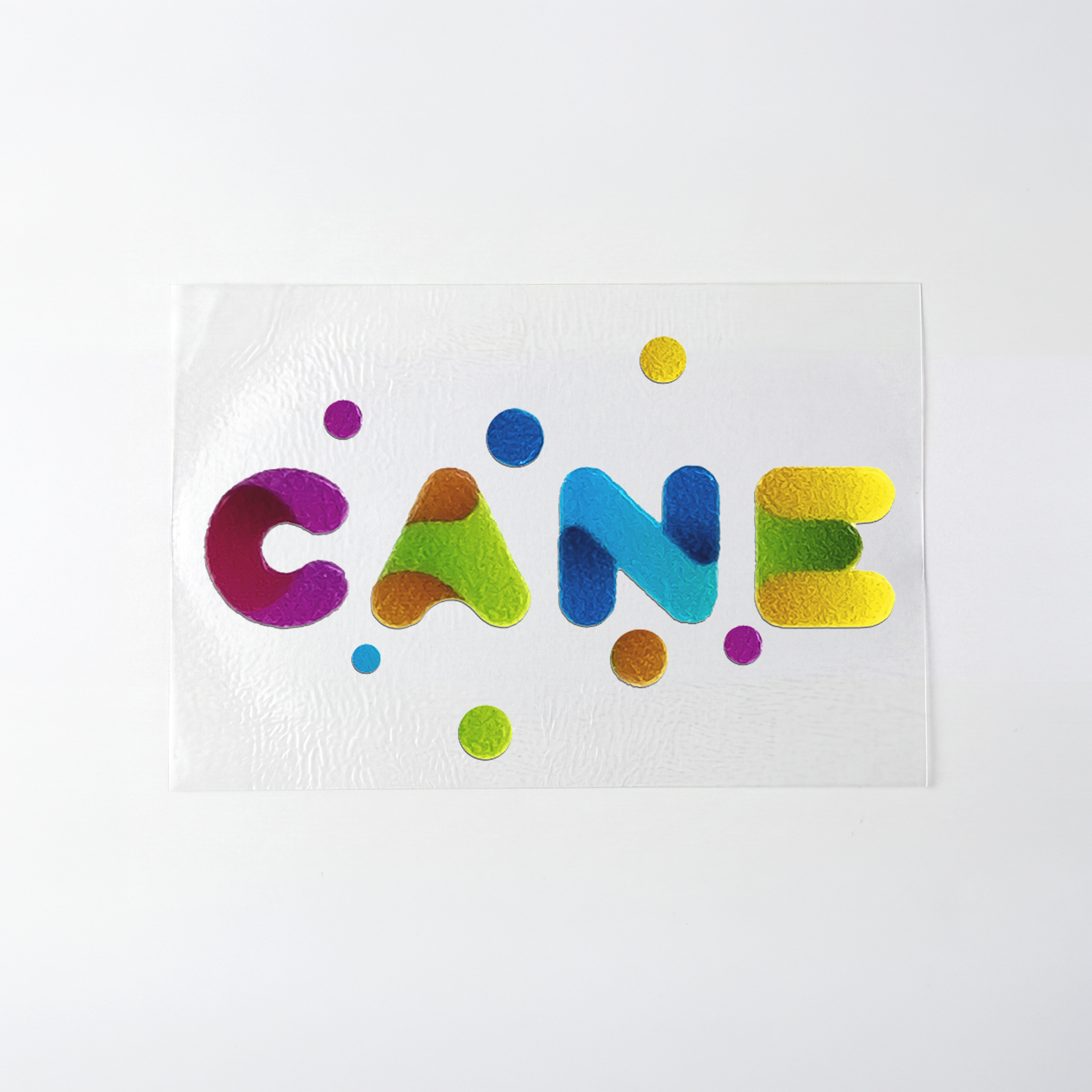
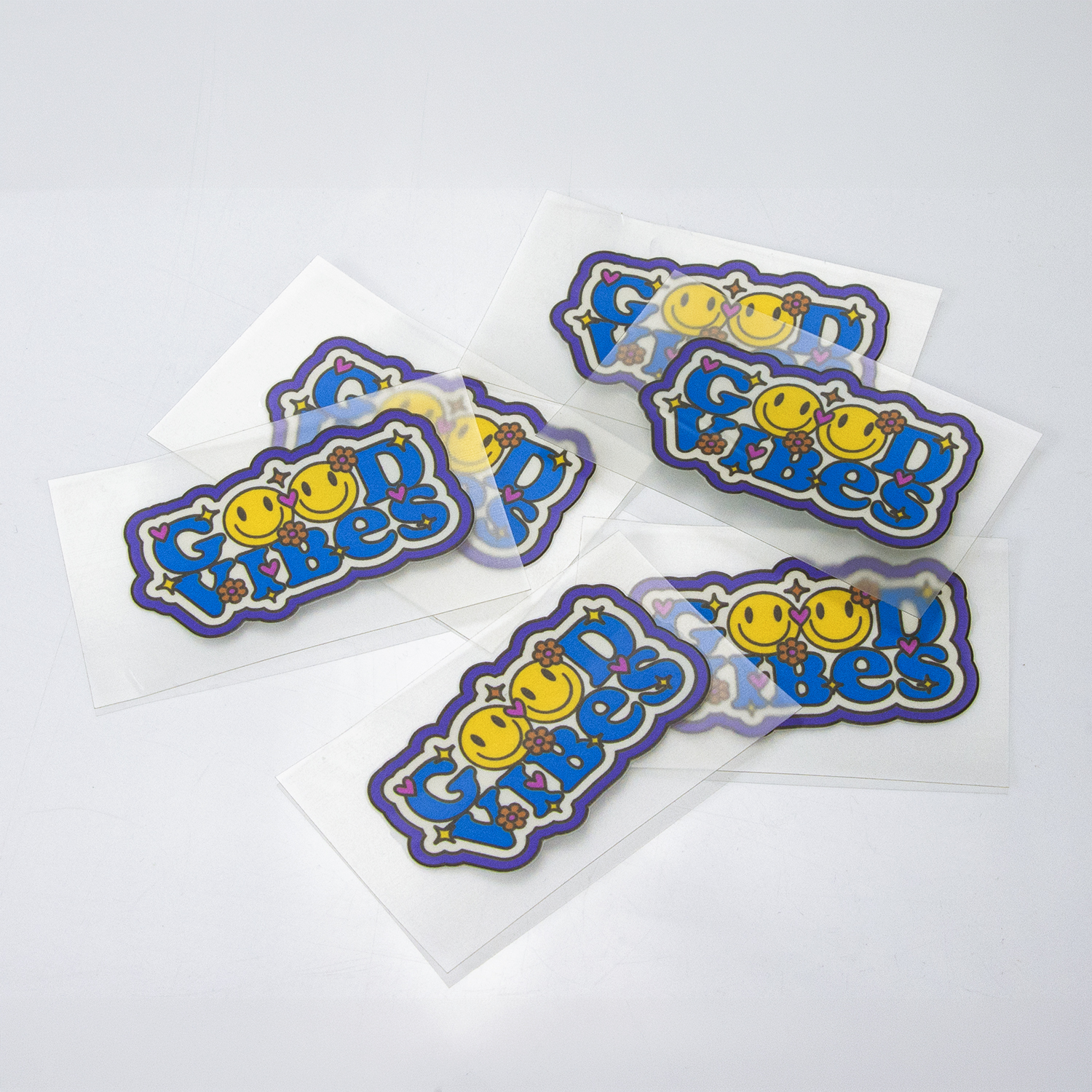
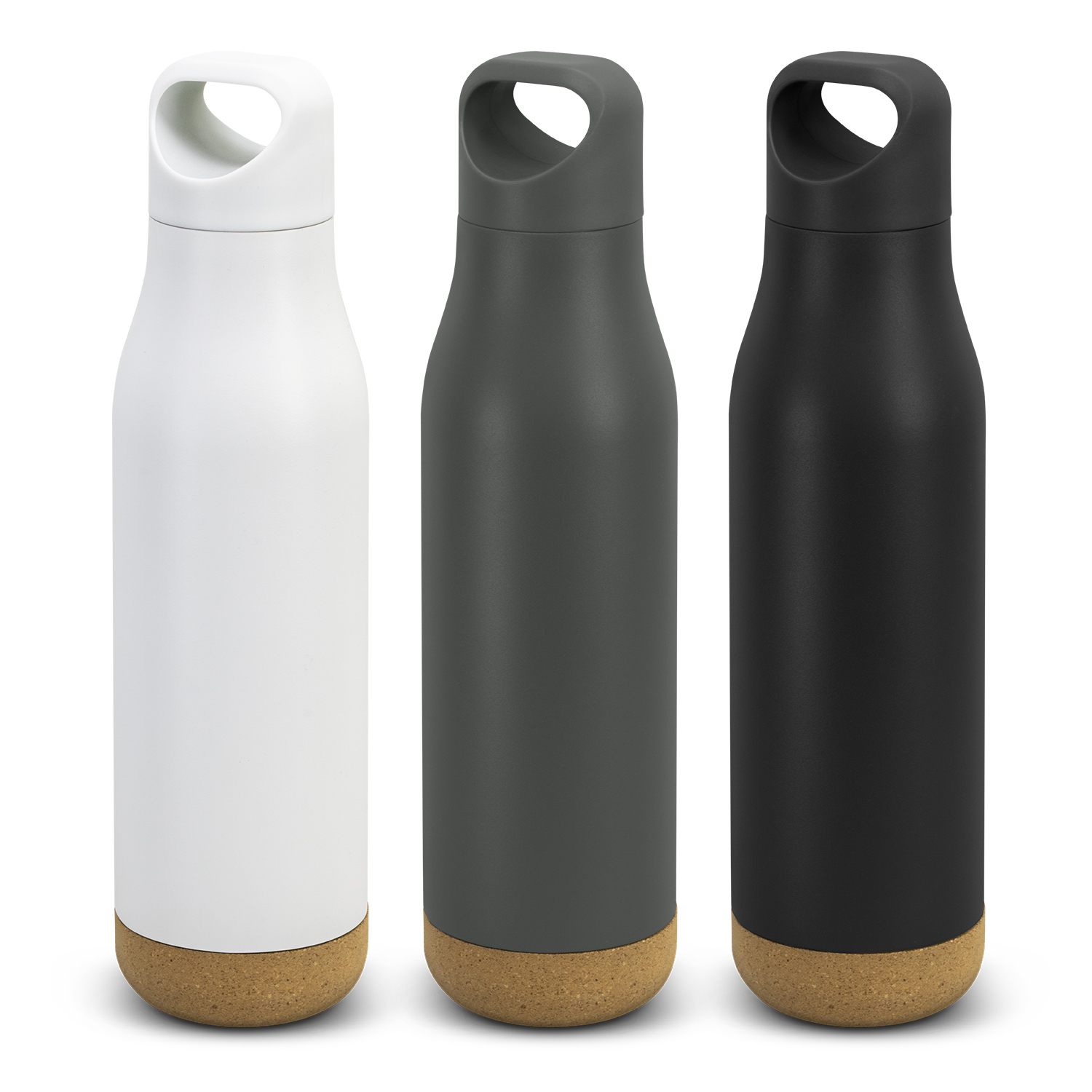
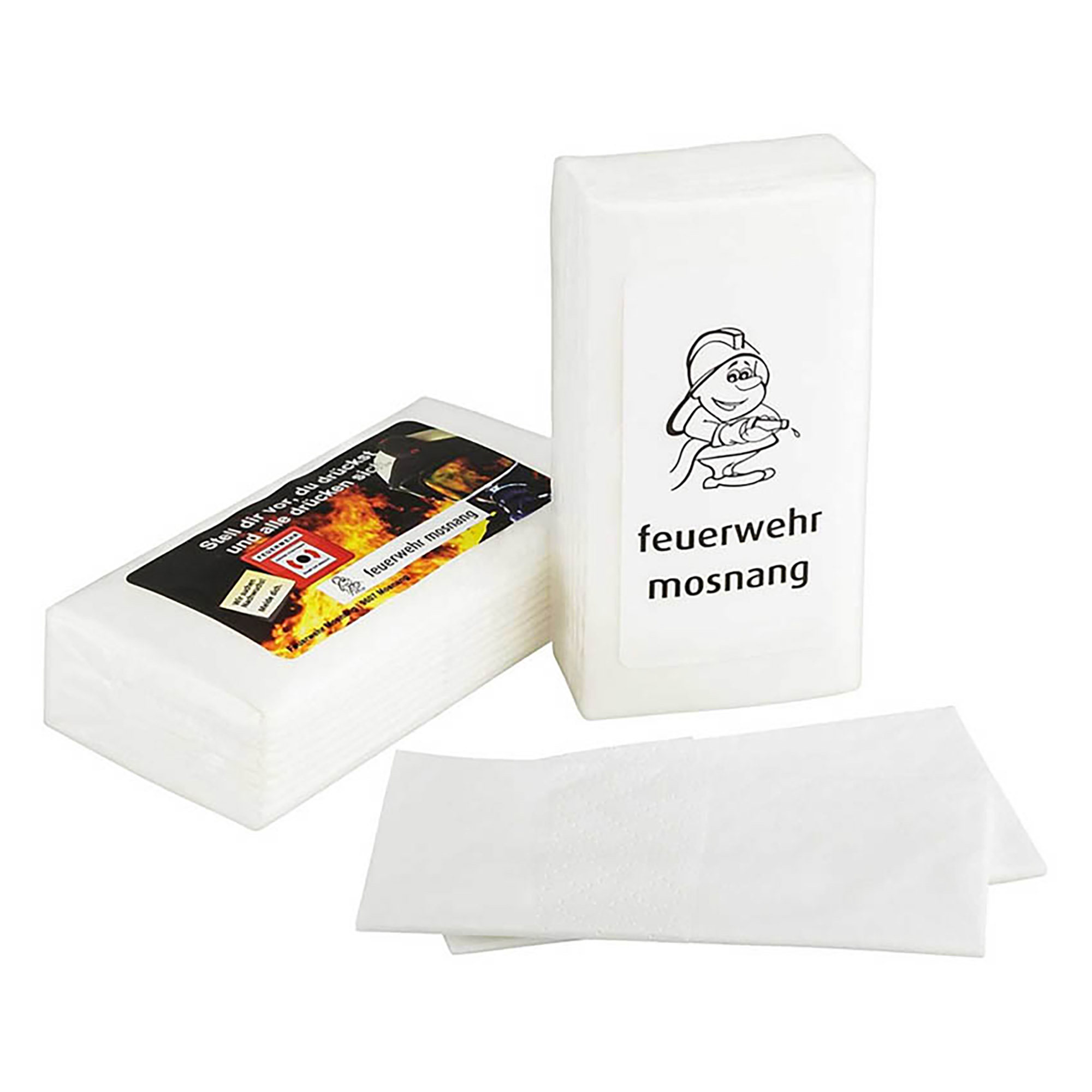
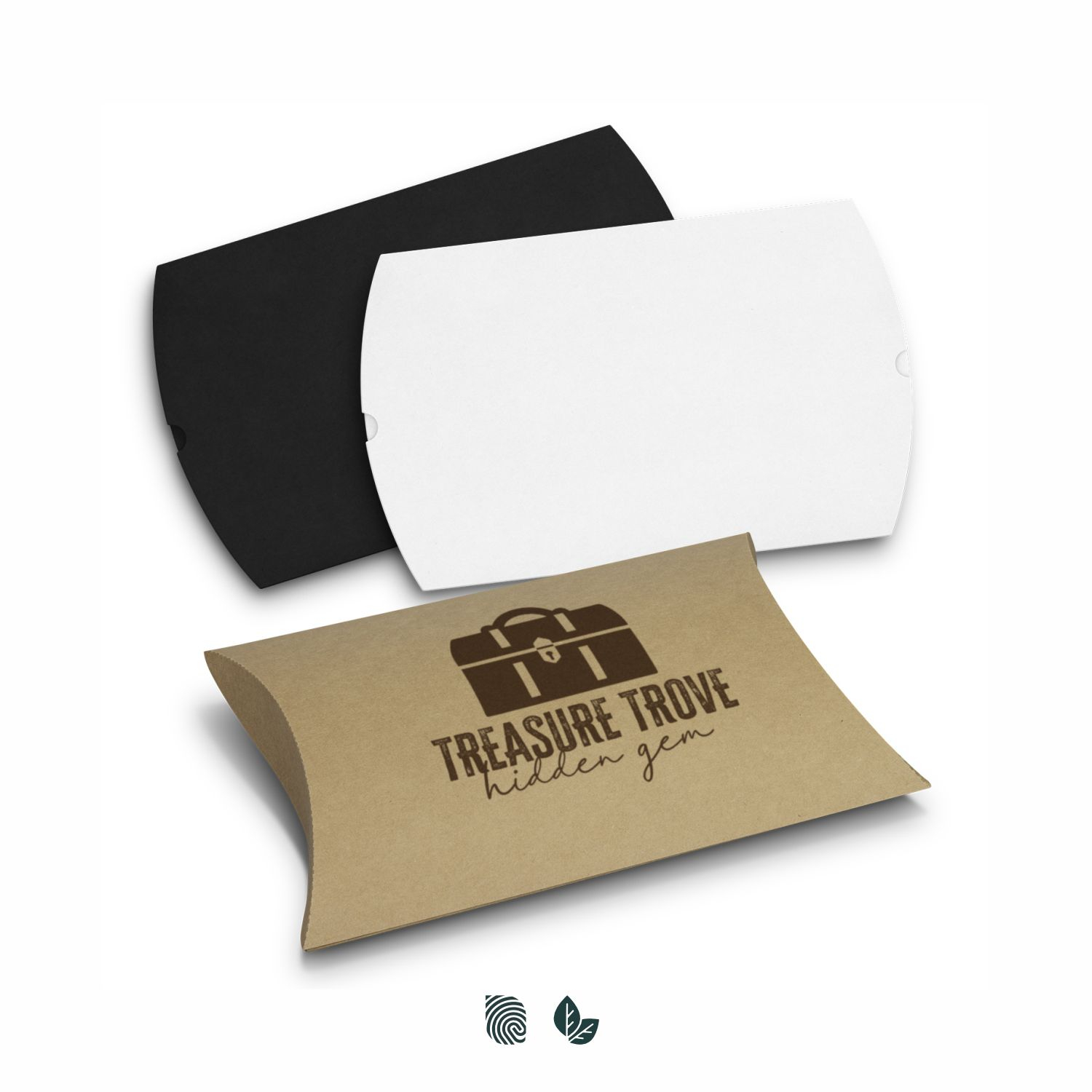
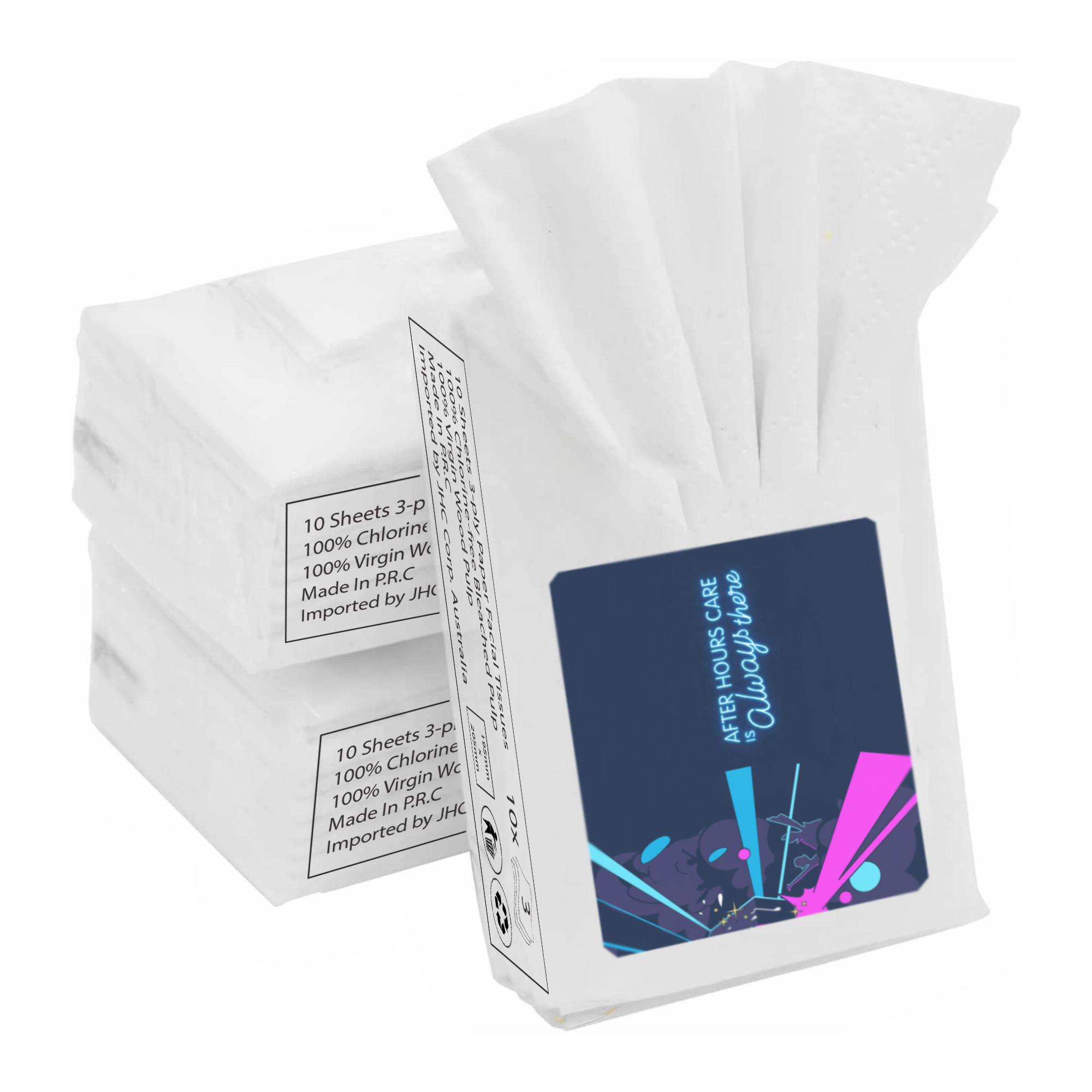
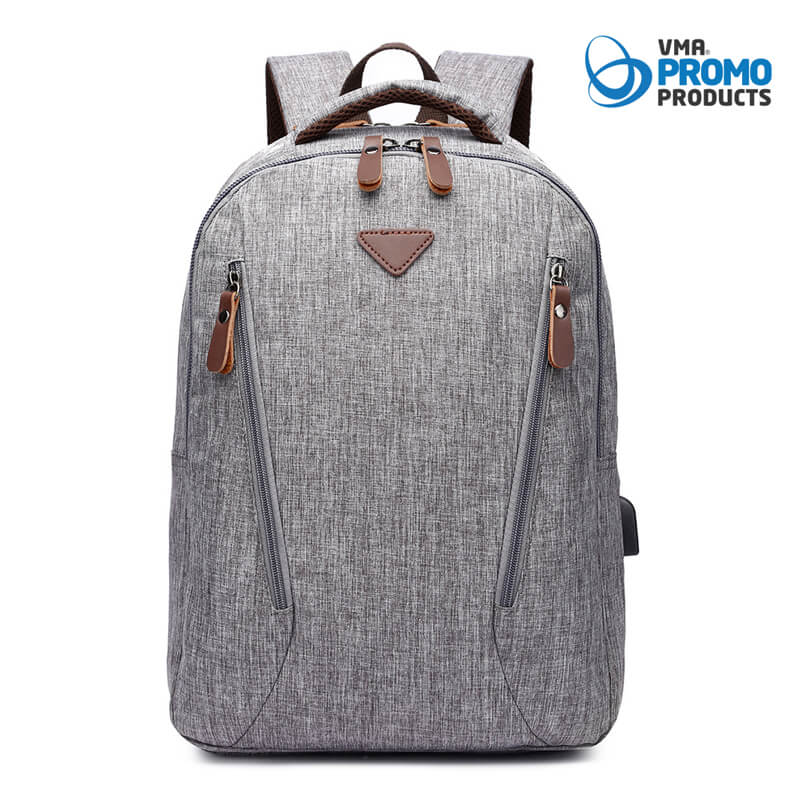
Physical branded merchandise still has a massive role to play, but it has to be thoughtful. A high-quality, reusable coffee cup or a beautifully bound journal has a much higher perceived value than a handful of plastic trinkets. These become physical touchpoints that live on a client’s desk, acting as a constant, subtle reminder of your brand’s presence and quality.
Quality is Your Only Real Currency
This is the hill to die on: if it’s worth giving away, it’s worth doing well.
In the world of visual marketing, aesthetics and presentation are everything. If your free ebook is formatted poorly or your promotional gift feels like it’s about to break, you are actively damaging your brand equity. Consistency is the glue that holds a brand together. Your free offerings should feel like a “preview” of the main event.
Think of it like a restaurant offering a free appetiser. If that small bite is incredible, you’re going to be excited for the steak. If the appetiser is cold and stale, you’re probably going to settle the bill and leave before the main course arrives. Your brand’s “freebies” are the appetisers of your business.
Did You Know?
Research into consumer behaviour suggests that it takes between 5 to 7 impressions for someone to even begin to recognise a brand. High-quality, useful giveaways shorten this cycle by creating multiple “micro-impressions” every time the person uses the item or refers back to the resource.
Making it Stick: Strategic Integration
Giving for the sake of giving is nice, but giving for the sake of growth is smart. To make this work, you need a plan.
- Personalisation over Bulk: Don’t just blast a generic gift to everyone. A tailored piece of advice or a gift that reflects a client’s specific interest creates an emotional connection that a “one-size-fits-all” approach never will.
- The Bridge to the Next Step: Every giveaway should have a clear path forward. If someone downloads a guide, what is the next logical step for them to take? The giveaway is the “handshake,” but you need to stay for the conversation.
- Measuring the Impact: It’s easy to track how much you spent on gifts, but you should also track the conversion rates of the people who received them. Are the people using your free tools eventually becoming high-value clients? Understanding this helps you refine your value-first marketing approach.
Conclusion
Building a memorable brand is a long game. It’s about building a reputation for being helpful, reliable, and high-quality before a single dollar has changed hands.
In an era where everyone is shouting for attention, the brands that stand out are the ones that stop asking for a minute of your time and start offering something that makes that minute worthwhile. When you lead with value, brand loyalty follows naturally. You don’t have to convince people you’re the best if you’ve already proven it by being the most helpful brand in the room.